There are bands that become famous and there are bands that become permanent. Thin Lizzy belongs to the second category, though they spent most of their career being told they weren’t quite famous enough. Their story is one of relentless work, genuine artistry, commercial frustration, and an ending so painful it reframes everything that came before it. If you want to understand what the music business actually costs, and what it can still give you long after it has taken everything, spend some time with this band.
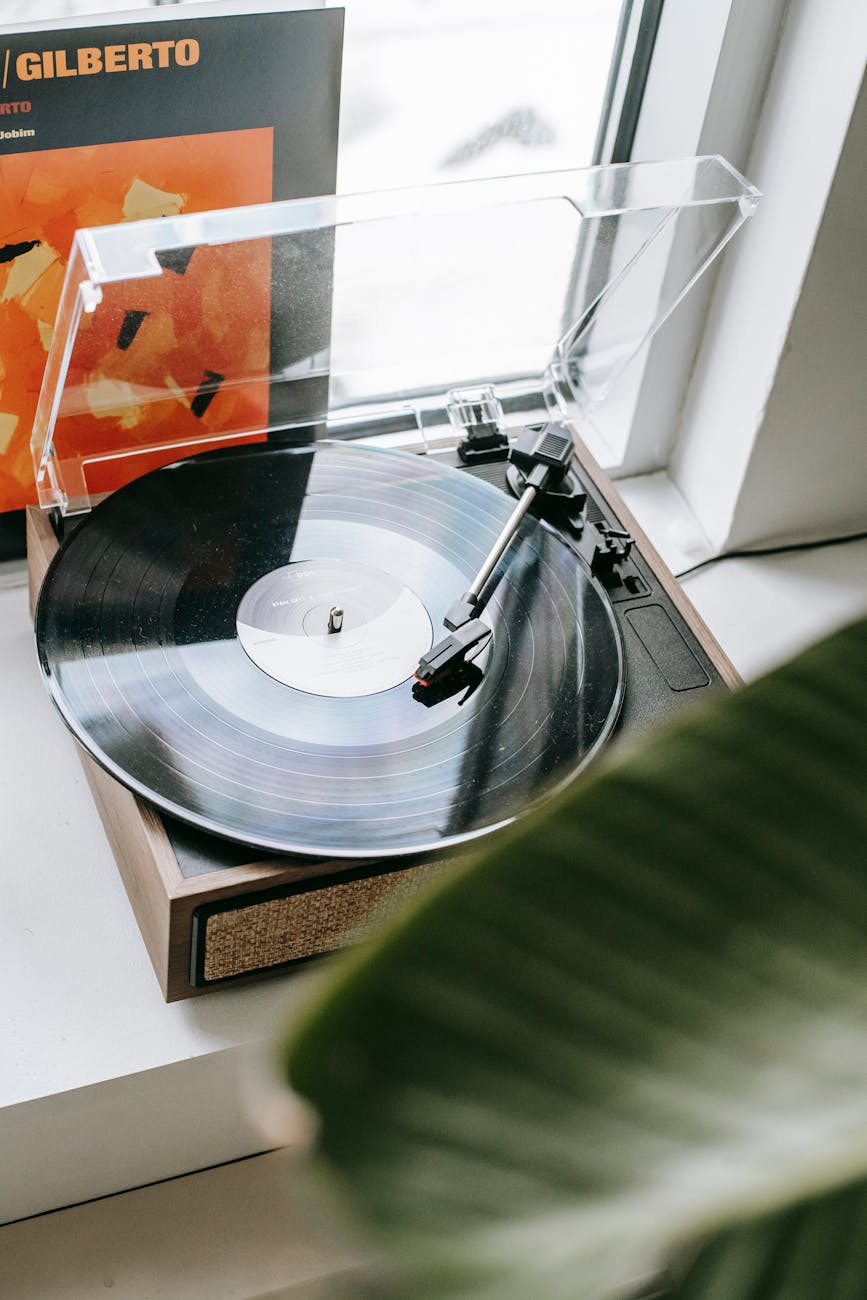
Start with Jailbreak. Put it on and give it a few days. The album was released in March 1976 and it will still rearrange something inside you if you let it.
This is my deep dive into this band and what my research has taught me. I haven’t been able to stop playing Jailbreak for a week now. The Cowboy Song remains one of my favorites to this date. I believe we can learn alot from the Thin Lizzy story. From obscurity to beloved by many. Their songs moved a decade in the evolution of Rock N Roll.
Before the Breakthrough: The Records Nobody Heard
Thin Lizzy didn’t arrive at Jailbreak overnight. They earned it through years of obscurity.
Their self-titled debut came out in 1971 on Decca Records. It sold poorly. Their second album, Shades of a Blue Orphanage in 1972, did the same. Vagabonds of the Western World followed in 1973, a heavier and more confident record that still failed to find a significant audience outside Ireland. By this point most labels would have cut their losses. Most bands would have quietly dissolved and gone home.
Then came what looked like a breakthrough. Their cover of the traditional Irish folk song “Whiskey in the Jar” became a genuine hit single in early 1973, reaching number six on the UK charts. It should have been the launch point. Instead it became a trap of sorts. The music press and the industry couldn’t figure out what to do with a hard rock band fronted by a Black Irishman who had just charted with a Celtic folk song. They were filed under a category that didn’t quite exist and largely ignored while the machinery of the business moved on to easier stories.
Night Life arrived in 1974. Fighting came in 1975. Both records showed a band deepening its craft, with Phil Lynott’s songwriting growing more confident and the twin guitar approach of Scott Gorham and Brian Robertson developing into something genuinely distinctive. Both records sold modestly at best. The band was working constantly, touring the UK and Ireland relentlessly, building a fanbase the slow and physical way while the sales numbers refused to reflect the effort.
By the time they walked into the studio to record Jailbreak, Thin Lizzy had released four albums in five years with almost nothing to show for it commercially. What they had instead was a clarity about who they were and what they were capable of. That clarity produced one of the most underrated rock albums of the 1970s.
Jailbreak: The Record That Changed Everything and Almost Nothing
Jailbreak is the kind of album that rewards patience, which is fitting given how long it took the band to make it. The title track opens with a sound effect of prison sirens and then detonates into one of the most visceral riffs of the decade. “Angel From the Coast” moves with a looseness and confidence that suggests a band finally comfortable in its own skin. “Emerald” is a Celtic war anthem that somehow sounds ancient and modern at the same time. “Romeo and the Lonely Girl” shows Lynott’s gift for tenderness without sentimentality.
And then there is “The Boys Are Back in Town.”
The song almost wasn’t a single. The band’s label Mercury Records was uncertain about it. But when it was released it climbed to number eight on the UK charts and number twelve in the United States, becoming Thin Lizzy’s first genuine American hit. Jailbreak itself reached number ten in the UK and broke the American top thirty, the best chart performance the band had ever seen. For the first time, the sales numbers began to reflect what the touring had been building for years.
The album sold approximately one million copies worldwide, a milestone that felt both earned and overdue. But the industry does not reward effort retroactively. It rewards momentum, and Thin Lizzy’s momentum in the summer of 1976 was real and needed to be exploited immediately. So they did what every serious band of that era knew how to do. They went back on the road.
The Touring Ethic: How Bands Built Careers With Their Feet
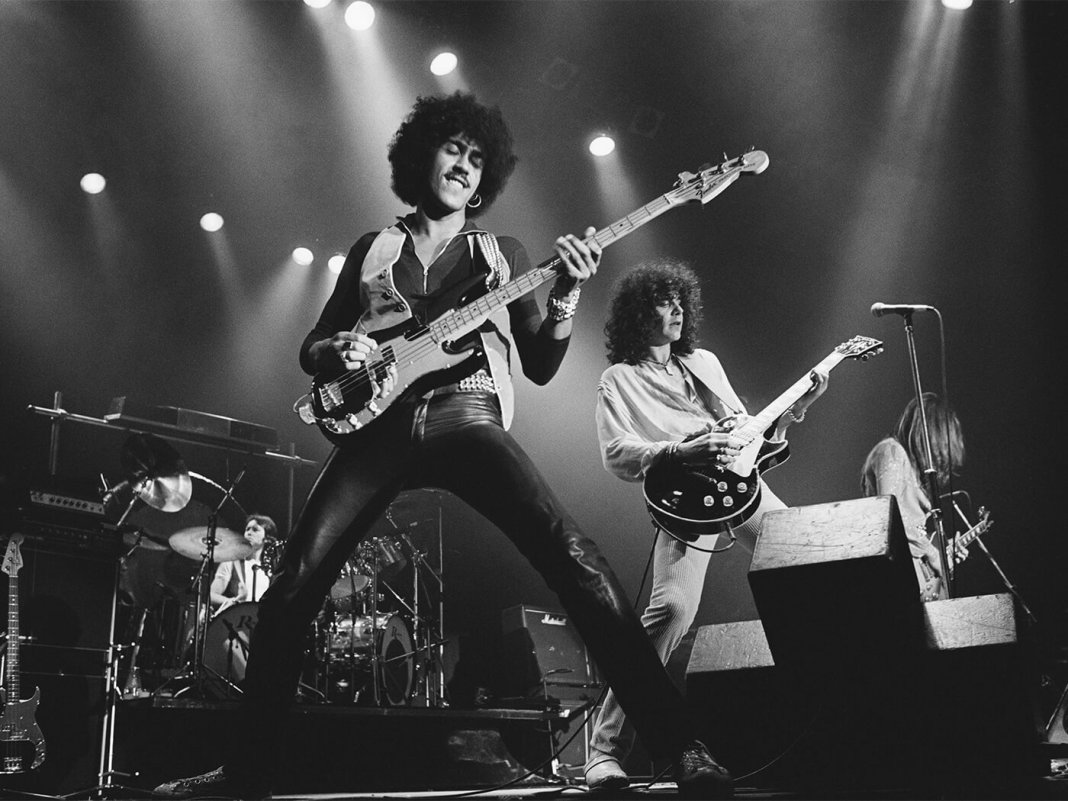
Thin Lizzy’s North American touring in support of Jailbreak included extended runs as the opening act for Rush, who at that point were building the kind of devoted following that would sustain them for decades. Night after night, Thin Lizzy walked out in front of crowds that had not come to see them and proceeded to make those crowds reconsider their loyalties.
This was the standard operating procedure for rock bands in the 1970s and it was unforgiving work. There were no algorithms serving your music to pre-qualified listeners. There were no playlists curated to match your sound with people who already liked something similar. There was a stage, a room full of strangers, and forty-five minutes to make them care. Thin Lizzy made them care, city after city, market after market, through sheer force of performance and the undeniable quality of the songs.
The relationship between touring and sales in that era was direct and measurable. Radio play could introduce a song, but live performance was what converted casual listeners into committed fans. A person who saw Thin Lizzy open for Rush in Cleveland in 1976 went home and bought the record. They told their friends. Those friends went to the next show. The fanbase grew organically through human contact and shared experience in a way that streaming metrics have never fully replicated.
What modern artists often miss when they look back at this model is that it wasn’t just a promotional strategy. It was a philosophy. Bands like Thin Lizzy, the Ramones, early Aerosmith, and ZZ Top understood that the road was not the price you paid for having a music career. The road was the music career. Everything else, the records, the singles, the radio interviews, was documentation of what happened live. The show was the thing.
Johnny the Fox and Live and Dangerous: Peak Years and Peak Work
The momentum from Jailbreak carried directly into Johnny the Fox, released later in 1976. The album reached number eleven in the UK and continued the band’s American ascent, showing that Jailbreak had not been a lucky accident but rather the first full expression of what the band was genuinely capable of. The twin guitar interplay between Gorham and Robertson had by this point become the most identifiable sound in hard rock outside of the blues-rooted approach of bands like Aerosmith and Bad Company.
Robertson left the band following a altercation in late 1976, replaced for a period by Gary Moore, before returning and then departing again. The lineup instability was a recurring theme in Thin Lizzy’s history, one of many sources of friction that made an already difficult career even harder to sustain. But the music never suffered in the ways you might expect. Bad Reputation came in 1977 and again performed well in the UK market, reaching number four on the charts.
Then came the record that should have made them superstars and in some ways did, just not in the way the band needed most at the time.
Live and Dangerous, released in 1978, is widely considered one of the greatest live albums ever recorded. Drawing from shows in London and Toronto in 1976 and 1977, it captured Thin Lizzy at the absolute height of their power as a live band. The ferocity of the performances, the interplay between the guitarists, the electricity of Lynott’s stage presence, all of it was preserved in a recording that still sounds vital and dangerous today. The album reached number two in the UK. It sold over a million copies. It remains the document many people point to when they want to explain what made this band so special.
The cruel irony is that Live and Dangerous demonstrated conclusively that Thin Lizzy was one of the best live acts in the world at precisely the moment when the music industry was beginning to change around them. Punk had arrived and redrawn the critical map. New wave was coming. The arena rock bands that Thin Lizzy had been sharing stages with were being dismissed as dinosaurs by a press that had fallen in love with something faster and louder and less polished. Thin Lizzy, who had always had more in common with the Ramones in terms of directness and energy than with the bloated prog rock the punks were reacting against, found themselves categorized with the enemy anyway.
Black Rose and the Beginning of the End
Black Rose: A Rock Legend, released in 1979, was in many ways the artistic summit. Featuring Gary Moore back in the fold alongside Scott Gorham, it reached number two in the UK and produced “Waiting for an Alibi,” one of the band’s most beloved songs. The title track itself was an ambitious Celtic suite that demonstrated Lynott’s determination to bring Irish musical identity into hard rock in a serious and sustained way rather than as a novelty gesture.
But by the time Black Rose was charting, something was fracturing. Gary Moore left the band again following the tour, a departure that reflected the broader instability of a group that had always held together through the force of Lynott’s personality and vision rather than through any settled internal harmony. Touring at that level, for that many years, with that degree of intensity, exacts a toll that is easy to underestimate from the outside.
Phil Lynott had by this point developed serious problems with heroin. The road, which had always been the band’s salvation, had also become one of its tormentors. The excess that was part of rock touring culture in the 1970s was not a myth. It was a daily reality on those buses and in those hotel rooms, and for a person with Lynott’s temperament and the particular pressures of being a Black Irishman who had spent his entire adult life fighting to be taken seriously in a business that preferred its categories neat and predictable, the escape that substances offered must have felt like relief at first.
Chinatown followed in 1980, reaching number seven in the UK. Renegade came in 1981 and performed more modestly, peaking at number thirty-eight. The records were still good. The band was still capable. But the commercial ground was shifting and the personal foundation was weakening simultaneously, a combination that is very difficult to survive in this business.
Thunder and Lightning, released in 1983, was the final studio album. It reached number four in the UK and showed that Thin Lizzy still had fire left in them, with guitarist John Sykes bringing a more aggressive edge that pointed toward what the band might have become had circumstances been different. But circumstances in the music business are rarely kind and almost never patient.
The farewell tour that year was exactly what it sounds like. A band saying goodbye while trying not to admit that’s what they were doing. The shows were strong. The crowds were loyal. And then it was over.
The Toll That Nobody Tallies
Phil Lynott spent the years after Thin Lizzy’s dissolution attempting a solo career and various other projects. He had released solo material during the band’s active years, including the warm and underrated Solo in Soho album in 1980, and he continued writing and recording. But the drug addiction that had taken hold during the touring years refused to release its grip. The machine that the band had run for over a decade, the constant movement, the relentless performance schedule, the blurring of days and cities and stages, had left marks that a person doesn’t simply recover from when the tour bus stops.
On January 4, 1986, Phil Lynott died from heart failure and pneumonia, complications resulting from septicemia connected to his drug use. He was thirty-six years old.
The music business does not put this part in the press release. It doesn’t show up in the streaming numbers or the licensing royalties. But it is part of the story and it needs to be told honestly, because it is also part of what the music business can do to people when the work is relentless and the support structures are inadequate and the culture treats self-destruction as a romantic footnote rather than a preventable tragedy.
Thin Lizzy released eight studio albums over roughly twelve years of active recording. They toured almost without pause for most of that time. They opened for bigger bands when they had to, headlined when they could, and built an audience through physical presence and artistic commitment when the industry would not build it for them. They produced several records that belong in any serious conversation about the best rock music of the 1970s. And they received, in return, a level of commercial success that was real but never quite proportional to the quality of what they were doing.
That gap between effort and reward is not unusual in this business. It is actually closer to the norm than most people who want to romanticize the music industry will admit.
What the Licensing Tells You
Here is the part of the story that offers something closer to hope, though it comes with its own bittersweet edge.
“The Boys Are Back in Town” has been licensed for use in films, television series, commercials, sports broadcasts, and video games so many times over the past four decades that it would take a separate article to document them all. The song has appeared in movies ranging from Dazed and Confused to Ted. It turns up in sporting events worldwide as a victory anthem. It has been used to sell products and score scenes and underscore moments of reunion and celebration in storytelling contexts that Phil Lynott could never have imagined.
The licensing revenue generated by that song since 1976 almost certainly exceeds what the band earned from it during their active years. This is the reality of sync licensing for songs that are genuinely great and genuinely durable. The investment in craft pays dividends on a timeline that no record label quarterly report can fully capture.
For any artist working today, this should land with some weight. The songs you write now, if you write them with real intention and real craft, have the potential to outlive the moment they were created for and find audiences and uses decades from now. Streaming numbers are subject to algorithmic whims and platform economics. A great song placed in the right film or television series can reach millions of people who weren’t born when you recorded it.
Thin Lizzy’s publishing catalog, centered on that one undeniable song, has kept the band’s legacy financially alive and culturally present in ways that their chart history alone never would have. That is an argument for taking the songwriting as seriously as the performance, for understanding that the catalog you build is an asset that compounds over time if the quality is there.
The Lessons That Cost Everything
Thin Lizzy built their career the hard way because there was no other way available to them. They made records when the sales numbers didn’t justify continued investment. They toured when the rooms weren’t full. They opened for Rush and won over strangers in cities that had no particular reason to care about them. They wrote songs with mythological depth and street-level honesty and let the music make the argument that their identity and their sound and their story deserved to be heard.
The toll was real. The road is always real. Years of constant touring, of living in motion, of performing at maximum intensity night after night while trying to maintain a creative life and a human life simultaneously, these things accumulate in a body and a psyche in ways that can’t always be managed and can’t always be survived. Phil Lynott’s death was not an isolated tragedy. It was connected to the very structure of how the music business worked then and in many ways still works now, demanding everything from the people with the talent while providing inadequate care for what that demand does to them.
Bands today have tools that Thin Lizzy never had. Digital distribution. Social media. Sync licensing platforms. Direct-to-fan revenue streams. The ability to reach the entire world without leaving home. These are genuine advantages and they should be used.
But the tools do not replace the work. They do not replace the decision to believe in your music enough to take it somewhere uncomfortable and stand behind it in front of strangers. They do not replace the craft that goes into writing a song capable of meaning something to people who haven’t heard it yet.
Thin Lizzy never stopped working. Even when the sales numbers were discouraging and the critical winds were blowing against them and the personal costs were mounting, they kept showing up. That work ethic, not the mythology of rock excess but the actual daily discipline of a band that believed its music was worth fighting for, is what produced the catalog that outlasted everything else.
The boys are still back in town. Forty-nine years later, in a sports bar or a film score or a stadium playlist, that song still makes people stop and feel something. That is what the work was for. That is what it bought. And the price, as Phil Lynott’s story makes painfully clear, was not nothing.
Every artist working today owes it to themselves to understand both parts of that equation.
Long live Thin Lizzy and the legacy of Phil Lynott. Cheers.